The Apple Watch Could Get Outrageously Expensive with New Premium Models Planned
Apple already offers some seriously expensive smartwatches, but the company may be getting ready to raise the price ceiling even further. According to Bloomberg’s latest Power On newsletter, Apple is considering new premium Apple Watch models that would sit above its existing Ultra and Hermès versions.
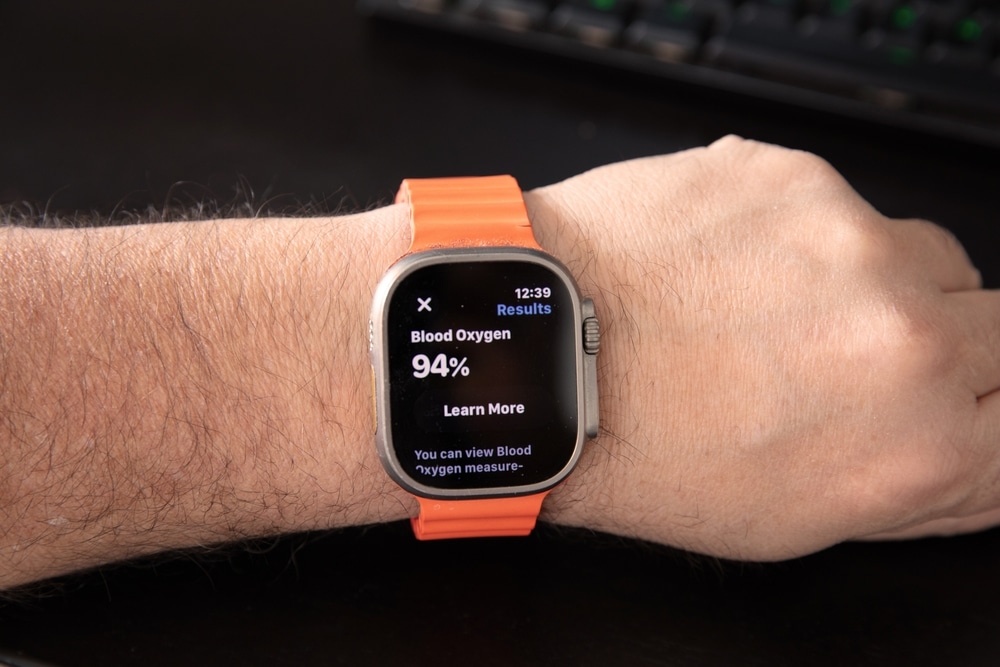
That matters because Apple’s wearable lineup is already firmly split between relatively accessible models and high-end options that cost as much as some laptops. If Apple creates another tier above the Ultra, the company could be testing just how much consumers are willing to spend on a smartwatch before the category starts looking more like luxury jewelry than everyday technology.
That could become expensive very quickly. The priciest current-generation model Apple sells is the Apple Watch Hermès Ultra 3, which costs $1,399. Even without the Hermès branding, the standard Apple Watch Ultra 3 starts at $799.
For comparison, that puts Apple’s most expensive watches well beyond the price of many mainstream smartphones, tablets, and computers. A new tier above those models could therefore push Apple Watch pricing into territory that feels increasingly difficult to justify for buyers who mainly want fitness tracking, notifications, and health features.
What could an even more premium Apple Watch look like?
For the moment, that remains unclear. Apple could simply follow the Hermès approach by offering more expensive materials, exclusive finishes, or premium bands built around largely familiar hardware.
That would be the simplest route. Luxury materials and designer partnerships have long given Apple a way to charge more without fundamentally changing the technology inside the watch.
A more intriguing possibility, however, would be a completely new tier positioned above the Ultra, potentially adding extra features or health sensors that would be reserved for Apple’s most expensive watches.
That approach would be more significant, but also more controversial. Apple has traditionally made many of its core health features available across broad parts of the Watch lineup rather than keeping them exclusively behind its highest prices.
If future sensors or capabilities were tied to a new ultra-premium model, buyers could face a much sharper divide between what the standard Apple Watch can do and what is reserved for those willing to spend considerably more.
New health features could make higher prices easier to sell
Previous reports have suggested that the 2026 Apple Watch lineup could feature upgraded biosensing hardware, improved power efficiency, and a redesigned high-end model.
Those types of upgrades would give Apple a clearer argument for charging more, particularly if they deliver meaningful improvements rather than simply cosmetic changes. Better battery life and new health capabilities are among the areas where smartwatch buyers are most likely to notice a real day-to-day difference.
A new blood-pressure-related feature is also reportedly under FDA review, although there is currently no indication that any of these upgrades would be limited to a premium version.
That distinction could become important. If advanced health tools remain available across the regular lineup, a more expensive model may need to rely heavily on design, materials, durability, or other exclusive features to justify its price.
The upcoming Apple Watch Ultra 4 could itself also become slightly more expensive than the current $799 model, particularly as component costs continue to increase.
Even a relatively modest increase would add to a broader concern across the tech industry: flagship devices are becoming steadily more expensive, often without equally dramatic leaps in what they can actually do.
For Apple Watch buyers, that could mean paying more simply to stay within the premium end of the lineup.
Apple is looking well beyond the current Watch lineup
The premium models appear to be only one part of a much broader rethink of Apple’s wearable lineup.
The company is also said to be considering screen-free fitness wearables, more affordable options positioned below the Watch SE, and devices with different display sizes and shapes.
That suggests Apple may be exploring a much wider pricing spectrum rather than simply moving everything upward. Cheaper wearable devices could help offset the arrival of more expensive models by giving buyers more entry points into Apple’s health and fitness ecosystem.
At the same time, a larger product range could make the Watch lineup more complicated. Apple has generally kept its smartwatch choices relatively straightforward, with the SE, standard Series, and Ultra serving clearly different types of buyers.
Adding luxury models above the Ultra and cheaper devices below the SE could make that structure much less simple.
Apple has even explored the idea of a round Apple Watch, although Bloomberg reports that such a design is unlikely to make it to market.
That would represent one of the biggest visual changes in the product’s history, but for now it appears Apple is more focused on reshaping the lineup around price, features, and different types of wearable devices.
The familiar Apple Watch isn’t going away yet
The upcoming Series 12 and Ultra 4 are expected to remain more familiar by comparison, potentially bringing a long-awaited performance upgrade alongside new health and fitness features, additional colors and bands, and possibly the return of a ceramic case.
That may reassure buyers who are less interested in whatever ultra-premium direction Apple is considering.
For most people, the standard Apple Watch will likely remain the most practical option, especially if core health, fitness, and smartwatch features continue to make their way across the broader lineup.
The bigger question is what happens at the top.
Apple has consistently shown that there is a market for expensive versions of its products, and the success of the Ultra line proves some buyers are willing to pay more for extra durability, battery life, and specialist features.
But there is still a point where a smartwatch stops feeling premium and starts feeling excessive.
How expensive is too expensive?
Apple has yet to settle on exactly what its redesigned Watch family will ultimately look like, and there is still no indication of when these more premium models could arrive.
That leaves plenty of uncertainty around both the final design and the eventual price.
Still, the direction is clear enough to raise eyebrows. If Apple is genuinely considering models above the $1,399 Hermès Ultra 3, the next generation of premium Apple Watches could move into a price bracket that makes even the current Ultra look comparatively affordable.
For mainstream buyers, that may be less exciting than concerning.
New health sensors, better battery life, and more premium materials could all make future Apple Watches more capable. But if those improvements continue to arrive alongside steadily rising prices, Apple may eventually have to convince consumers that a smartwatch costing well over $1,000 is more than just an expensive accessory.
That could become one of the biggest questions hanging over the future of the Apple Watch.