Huawei Pura X Max could signal the arrival of ultra-wide foldable phones
Foldable phones have spent the last few years searching for their identity—caught somewhere between novelty and necessity. While Apple and Samsung dominate much of the global conversation, Huawei has quietly been experimenting with more unconventional designs. Now, with the Pura X Max, the company may be pushing the category in a bold new direction: wider, more immersive foldables that blur the line between phone and tablet—and perhaps finally answer the question of what foldables are actually for.
Huawei stakes its claim in wide foldables
Move over, Apple and Samsung—China’s Huawei is currently leading the niche of unusually wide foldable smartphones.
On Monday, the company released a teaser video showcasing its upcoming Huawei Pura X Max foldable device, offering an early glimpse at what could become a defining design shift.
The Pura X Max is set to debut on April 20, alongside the more traditional Pura 90 Pro. While full specifications haven’t been confirmed, Huawei has revealed that the foldable will feature a triple rear camera setup, 12GB or 16GB of RAM, and storage options of 256GB, 512GB, or 1TB. Those are flagship-level specs, suggesting Huawei isn’t treating this as an experiment—but as a serious contender built for power users.
A design that prioritises screen real estate
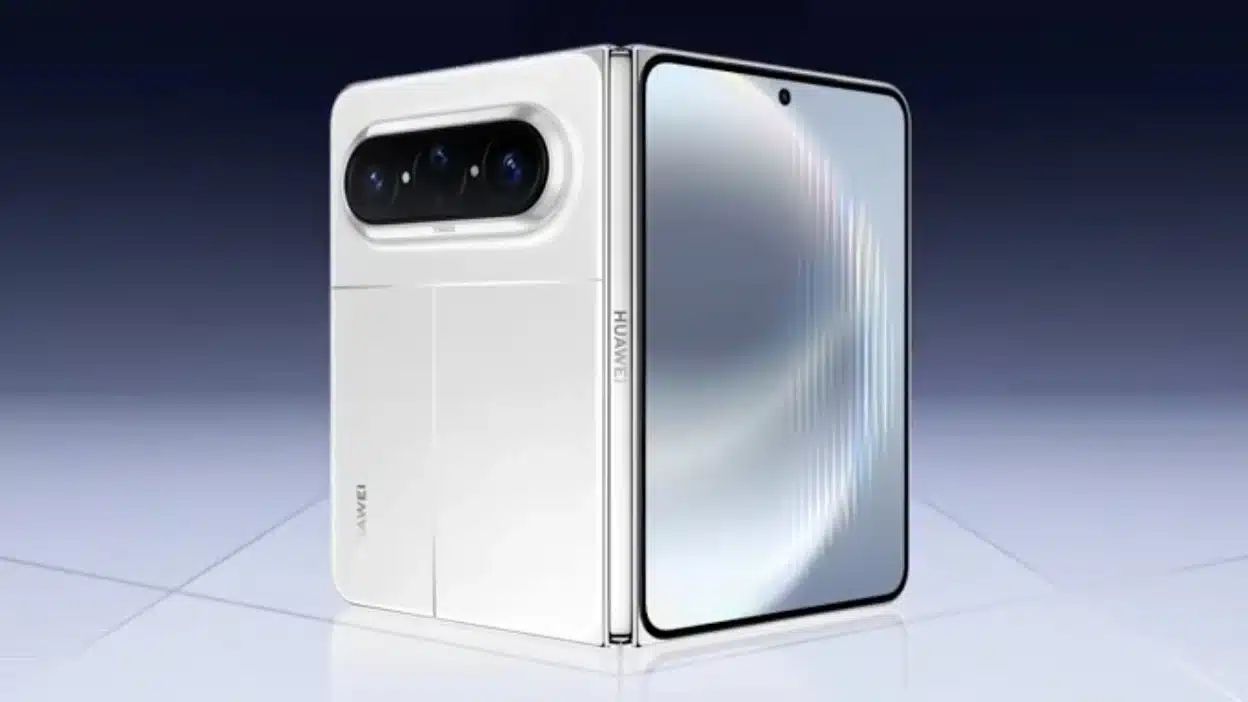
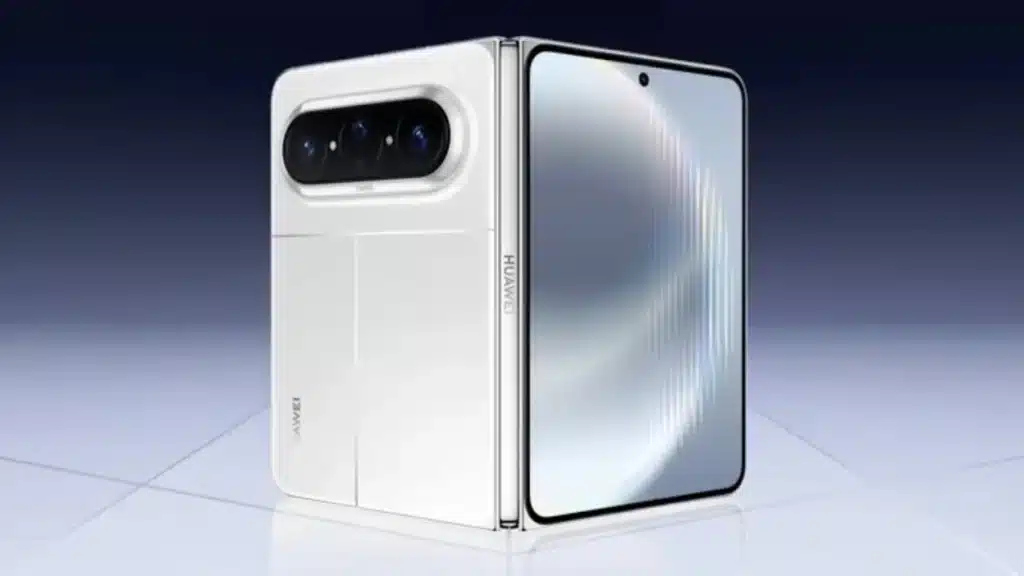
The teaser video highlights the phone from multiple angles and reveals several color options. The device will be available in five finishes: Interstellar Blue, Olive Gold, Phantom Night Black, Vibrant Orange, and Zero Degree White.
But the real story isn’t the colour palette—it’s the form factor. Huawei hasn’t maintained a strong presence in the U.S. since restrictions seven years ago limited its access to American technology, ultimately forcing the company to move away from Android. Yet despite those setbacks, the company continues to innovate in hardware.
The Pura X Max features a notably wide body when folded, a design choice that immediately sets it apart from most book-style foldables. Unfolded, it expands into a tablet-like display that looks particularly well-suited for video, gaming, and multitasking. It’s the kind of device that makes you think: I could watch a movie on this.
That extra width could solve one of the most common complaints about foldables—awkward aspect ratios. Many current foldables feel too narrow when closed and slightly off when open, leaving apps stretched or letterboxed. A wider design could mean more natural viewing, better split-screen usability, and fewer compromises.
Why wider might actually be better
For years, smartphone design has trended taller and slimmer. But that doesn’t always align with how people use their devices. According to industry reports, the majority of smartphone activity—streaming, social media, browsing—happens in landscape-friendly formats.
A wider foldable could quietly fix that mismatch.
Think about it: watching Netflix without black bars, editing documents with a more natural layout, or running two apps side by side without feeling cramped. These are small improvements that add up to a noticeably better everyday experience.
It’s a shift from futuristic gimmick to practical utility—and that’s exactly what foldables need to go mainstream.
A growing trend—or a one-off experiment?
Reports suggest Samsung may be developing a similar concept, and Apple’s much-rumored iPhone Fold could adopt a comparable approach—though details on Apple’s plans remain uncertain. If both companies move in this direction, Huawei’s early push into wide foldables may prove to be more than just experimentation—it could be the beginning of a wider industry pivot.
Interestingly, this isn’t Huawei’s first attempt at a wide foldable. The Pura X Max follows the Huawei Pura X, a similarly wide flip-style foldable released in March 2025. The company also offers the Huawei Mate XT Ultimate Design, a tri-folding device known for its slim build and high-end specifications.
Taken together, these releases suggest a clear strategy: Huawei isn’t just iterating—it’s exploring multiple visions of what foldables can be.
The competition is watching
The timing here matters. The foldable market is heating up, with analysts predicting steady growth over the next several years as prices drop and designs mature. Samsung still leads globally, but competition is intensifying—particularly from Chinese manufacturers willing to take bigger design risks.
Huawei’s willingness to experiment with form factors—whether it’s tri-folding designs or ultra-wide displays—puts pressure on rivals to do more than refine existing models.
If consumers respond positively, it won’t take long for others to follow.
What buyers actually want from foldables
There’s a bigger question underpinning all of this: what do people actually want from a foldable phone?
Early adopters were drawn to the novelty, but mainstream users are more pragmatic. They want:
- A device that feels normal when closed
- A larger, useful screen when open
- No awkward compromises in apps or media
- Durability that matches traditional smartphones
The Pura X Max seems to lean directly into those expectations. By focusing on width and usability, Huawei may be addressing the real barriers that have held foldables back.
The bigger picture for foldable phones
The foldable market is still evolving, and manufacturers are searching for the design that will resonate most with everyday users. Slimmer hinges, crease reduction, and durability have all improved—but usability remains the key battleground.
That’s where the Pura X Max could stand out. By leaning into width rather than height, Huawei may be prioritising how people actually use their devices—watching, reading, multitasking—rather than simply chasing futuristic aesthetics.
Whether the Pura X Max marks the beginning of a broader trend toward wider foldables remains to be seen. But one thing is clear: Huawei is no longer just competing in the foldable space—it’s actively reshaping it—and forcing the rest of the industry to rethink what the next generation of smartphones should look like.