iPhone17: Have We Finally Reached Peak iPhone?
Every September, like clockwork, millions of eyes turn to Cupertino. Apple’s launch events are more than product announcements—they’ve become cultural touchstones, drawing in not only tech enthusiasts but also mainstream audiences who want to see what Apple will unveil next. But with the iPhone 17 family now in people’s hands, including the ultra-thin iPhone Air, I can’t shake a thought that’s been nagging at me:
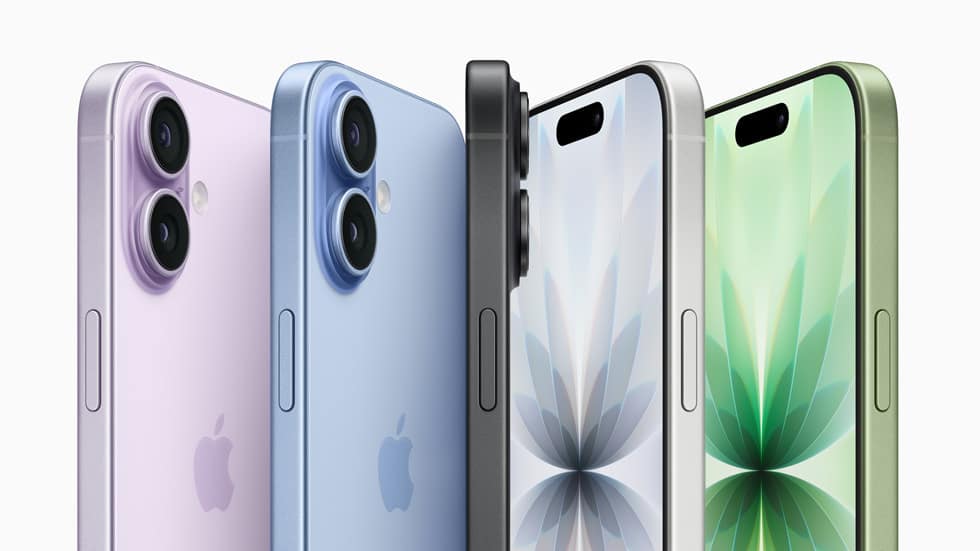
Have we finally hit peak iPhone?
This isn’t an idea I entertain lightly. The iPhone has been a decade-defining device, setting the standard for what a smartphone should be. But as the dust settles from the iPhone 17 launch, I find myself asking whether Apple has reached the natural plateau of its innovation cycle—or at least entered a phase where genuine excitement is harder to come by.
The Plateau of Innovation
Let’s be clear: Apple hasn’t run out of talent, vision, or capability. The company’s hardware and software teams continue to refine and polish in ways that most competitors can’t match. Yet the changes we’re seeing now feel more like refinements than revolutions.
Take the base iPhone 17. At last, it features a 120Hz display—a long-requested upgrade that Android phones, even mid-range ones, have offered for years. Then there’s the camera system, which uses computational imaging and sensor fusion to deliver 4x optical-quality zoom and crisp 48MP wide and ultra-wide shots. Add Apple Intelligence features and a blazing-fast chipset, and you’re left wondering: what’s left to add?
That question extends to the Pro models, too. The iPhone 17 Pro and Pro Max now include vapor chamber cooling, putting them on par with the Galaxy S25 Ultra. They still pack the triple-lens setup that’s been around for years, but Apple hasn’t chased higher megapixel counts or added additional lenses just for the spec sheet. In fact, it feels intentional—Apple refusing to play Samsung’s numbers game and instead focusing on consistency, performance, and ecosystem integration.
What’s Left to Differentiate?
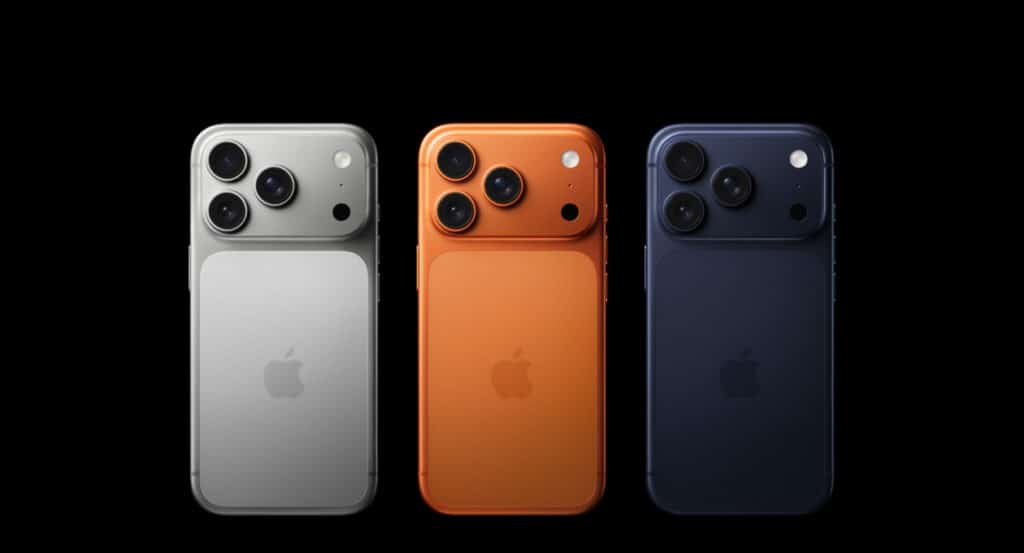
Apple’s value proposition remains strong: fast (if not the absolute fastest) charging, the MagSafe ecosystem, magnetic accessories, market-leading performance, and the unmatched App Store library. These pillars still matter to users, but they also highlight a truth—Apple is no longer playing catch-up in any major area.
Which leads to a paradox: the iPhone is so good, so polished, that it may have reached a point where there are no obvious gaps to fill. That’s an achievement in itself, but it also creates the sense that the thrill of surprise—the “wow factor”—is missing.
The iPhone Air demonstrates this tension well. It’s Apple’s response to the trend of ultra-thin devices pioneered by the Galaxy S25 Edge. It’s sleek, futuristic even, but it comes with compromises that remind us innovation often means trade-offs rather than pure leaps forward.
The Excitement Gap
Here’s the real crux of it: when was the last time you felt genuinely excited by an iPhone reveal? Think back to the first Face ID demo, or the launch of the App Store, or the leap from the iPhone 4 to the 5. Those moments had an electricity that’s hard to replicate when today’s devices already check every box.
Even Apple’s lower-cost efforts show this fatigue. The iPhone 16e, for instance, felt like a misstep at its price point, joining the new models on what I’d call a plateau of “good enough.”
Sure, rumors swirl about a foldable iPhone, but even there, I’m skeptical. Apple may not even call it an iPhone—or build it at all. A foldable iPad feels more in line with Cupertino’s strategy, allowing Apple to experiment without disrupting its flagship product line.
Looking Ahead
To be clear, I don’t believe Apple’s days of innovation are over, far from it. But I do think we’re in for several years where the iPhone’s changes are more incremental than transformational. The design language of the iPhone 17 and 17 Pro, for example, could easily stick around for the next half-decade.
And yet, I hope I’m wrong. Apple has surprised us before. What looks like an iteration can sometimes conceal a bigger story brewing just beneath the surface. Maybe these devices are simply a calm before the storm—a foundation for breakthroughs we can’t yet imagine.
Final Thoughts
So, have we reached peak iPhone? Maybe. Maybe not. But one thing feels certain: the iPhone has matured into a product so refined that its evolution is less about dramatic leaps and more about subtle perfection. That’s both a blessing and a challenge.
The iPhone 17 lineup may well represent the top of the curve for now. Whether Apple can rekindle that early magic—or whether we’ve simply grown too accustomed to excellence—remains to be seen.
What do you think? Has the iPhone already peaked, or is Apple still holding back its next big trick?