Apple’s ‘Awe Dropping’ September 9 iPhone Launch: What to Expect
Every September, Apple commands the spotlight in the tech world. For more than a decade, the company has turned its fall keynote into one of the most anticipated events on the global technology calendar. Fans, critics, investors, and competitors all tune in to see what the company will unveil, because these announcements rarely affect just Apple — they often set the pace for the entire industry.
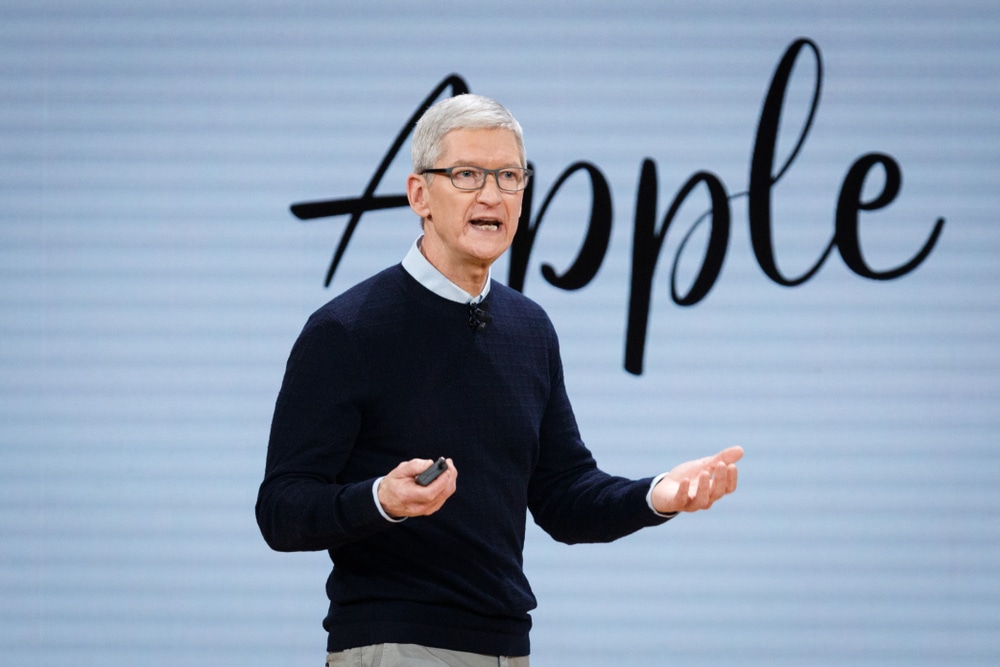
This year, the anticipation feels sharper than usual. On September 9, Apple will gather media and analysts at its Cupertino headquarters, where it is expected to reveal the iPhone 17 alongside refreshed Apple Watches and possibly other surprises. The tagline for the invitation — “Awe dropping” — suggests the company is eager to generate the kind of excitement that has defined its biggest product moments.
Why Apple’s Fall Event Is a Big Deal
Apple’s September keynote isn’t just a marketing spectacle; it’s the company’s most consequential moment of the year. The iPhone remains its primary revenue driver, fueling not only hardware sales but also services and accessories that make up the broader ecosystem.
But the stakes in 2025 feel especially high. Consumers are more cautious with spending, upgrading devices only when necessary. At the same time, Wall Street is closely watching whether Apple can still deliver the kind of groundbreaking innovation that once defined its brand. With AI reshaping expectations across the tech sector, Apple’s ability to position itself as more than a follower could be critical.
Last year, Apple marketed the iPhone 16 as being “built for Apple Intelligence,” nodding to its ambition to weave AI across its products. That strategy will likely continue as the company works to counterbalance its delayed Siri upgrade — a setback that left it trailing competitors like OpenAI and Google.
The Rumored Star: A Super-Slim iPhone
Perhaps the most intriguing expectation this year is Bloomberg’s report of an ultra-thin iPhone — a device likened to the MacBook Air for its design philosophy. This new version would represent Apple’s boldest attempt in years to reimagine what a smartphone should look like.
There’s a trade-off, though. A slimmer profile might mean compromises in areas like battery performance and camera capabilities, two features that have traditionally defined the high end of Apple’s lineup. Yet, giving the iPhone a dramatically different look could spark renewed interest at a time when the broader smartphone market feels stagnant.
Competitors such as Samsung and Huawei have embraced foldables, betting on flexibility as the future of phones. Apple, by contrast, has held steady with its familiar design language. A thinner iPhone could be its way of signaling that aesthetics and minimalism still matter as much as technical horsepower.
Lessons From Apple’s Size Experiments
Apple’s track record with size variations has been mixed. The iPhone Mini, launched as a compact alternative, lasted only two generations before being retired. More recently, the larger iPhone 16 Plus captured just 5–10% of shipments as of mid-2024, according to noted Apple analyst Ming-Chi Kuo. He now predicts the Plus line will be discontinued in 2025.
The takeaway is clear: novelty in form doesn’t always translate to mass adoption. That’s why this new slim design carries weight — it’s not just a new option, but potentially a redefinition of the iPhone lineup.
What to Expect Across the Lineup
Beyond the slim edition, Apple is expected to release the standard iPhone 17 and updated Pro models. The company typically equips the standard model with a faster processor, modest upgrades to the camera, and tweaks to battery performance.
The Pro models, meanwhile, continue to serve as Apple’s “best of the best,” offering larger displays, enhanced cameras, more powerful processors, and premium touches like a titanium chassis. For users weighing the extra cost, the Pro distinction remains Apple’s key way of segmenting its customer base.
The Bigger Picture: Trade Wars and Supply Chains
Apple’s product announcements don’t happen in a vacuum — global politics and economics often shape the story. This year, the company faces a new wave of tariffs under President Donald Trump’s administration. CEO Tim Cook has already told analysts to expect $1.1 billion in tariff-related costs this quarter.
To cushion the blow, Apple has shifted much of its U.S.-bound iPhone production to India, reducing its dependence on China. While tariffs on Indian goods are doubling to 50% this week, smartphones remain exempt.
There’s also reassurance for Apple on another front: Trump has suggested the company won’t be hit with the looming 100% tariffs on semiconductors, provided it continues investing domestically. Earlier this month, Apple committed $600 billion to expanding its U.S. operations, including building a domestic chip supply chain.
Why This Launch Matters More Than Most
In many ways, Apple’s September 9 event is more than just a product reveal. It’s a litmus test for the company’s ability to inspire — not only customers, but also markets and partners who want to believe Apple still has its spark.
For consumers, the question is whether a sleeker iPhone, incremental upgrades, and Apple’s slow-burn AI strategy are enough to warrant upgrading. For investors, it’s whether Apple can continue to grow in a market that looks increasingly saturated. And for competitors, it’s whether Apple can still dictate the direction of the industry.
Whatever happens on stage in Cupertino, the ripple effects will be felt far beyond Apple Park.