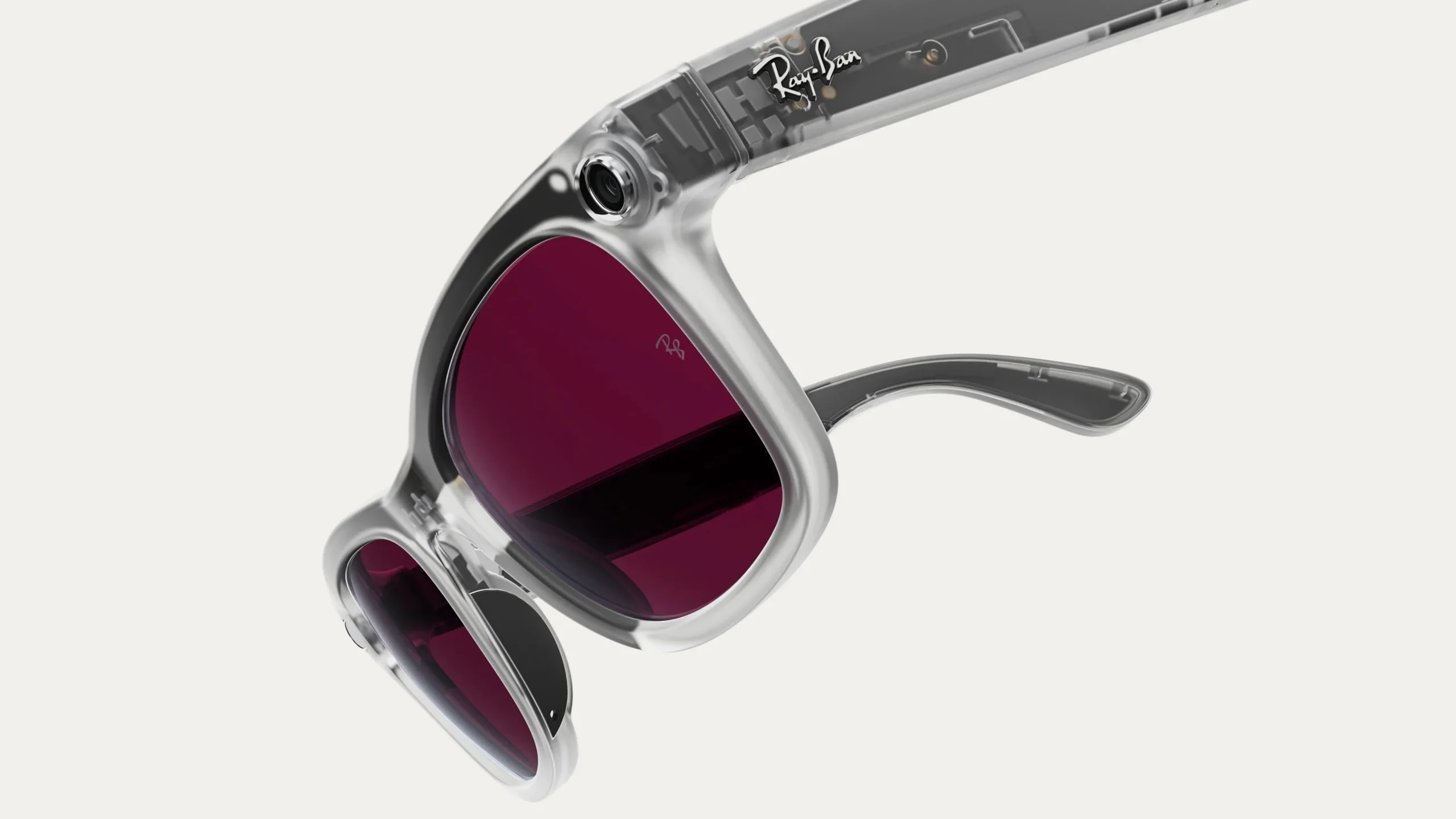
Meta Introduces Smart Glasses With Built-In Apps and A.I. Assistant
For years, technology companies have promised that wearable devices would transform how we connect to the digital world. Smartwatches managed to carve out a role, but smart glasses have largely struggled to find their place — until Meta unexpectedly struck gold. What started as an experiment has evolved into one of the company’s most intriguing consumer products, and this week, Meta raised the stakes.
From Experiment to Breakout Hit
When Meta first released glasses capable of snapping photos and videos four years ago, industry analysts were skeptical. Glasses had failed before — Google Glass being the most high-profile example — and many doubted that consumers would embrace the idea of wearing cameras on their faces. Yet the opposite happened. Millions bought them, drawn by their discreet design and seamless integration with social platforms.
That initial surprise success set the stage for Meta to go further. At its annual developer conference in Menlo Park, Calif., the company revealed not one, but three new types of smart glasses — signaling that eyewear is no longer just a side project but a central part of its long-term strategy.
The Flagship: Meta Ray-Ban Display
The most ambitious of the lineup is the Meta Ray-Ban Display, which introduces a tiny screen embedded directly in the lens. This display can show apps, push media to Instagram in real time, and stream music through built-in speakers.
Unlike earlier versions, the Ray-Ban Display allows for richer interaction. Apps are controlled by a wristband, while a voice-based artificial intelligence assistant can process commands, speak through speakers, and use the glasses’ camera as its “eyes.”
At $799, the model is priced nearly double its predecessors and will be released on Sept. 30. The steep price point suggests that Meta sees the glasses less as a novelty and more as a premium device designed to showcase what’s possible when A.I. and wearables converge.
Other Models and Partnerships
Alongside the Ray-Ban Display, Meta also announced an upgraded version of its original Ray-Ban smart glasses, offering incremental improvements in design and functionality. In addition, the company is working with Oakley on a sportswear edition — signaling its intent to reach new audiences, from casual users to athletes.
A Shaky Demo, But Big Promises
The live unveiling underscored both the potential and the pitfalls of bleeding-edge technology. On stage, Meta’s chief executive Mark Zuckerberg attempted to demonstrate the glasses by asking for a barbecue sauce recipe and to call a colleague. Both tasks failed.
“They tell us not to do live demos,” Mr. Zuckerberg quipped, drawing laughter from the crowd. Still, he pressed on with his vision, saying, “the glasses will be able to see what you see, hear what you hear, and then go off and think about it.”
The hiccup highlighted the gap between Meta’s ambitions and the current reality. But it also illustrated the company’s willingness to take risks in pursuit of technology that could redefine personal computing.
Beyond the Metaverse
For years, Meta has tied its hardware releases to its grand vision of the “metaverse,” a virtual space Mr. Zuckerberg has described as the internet’s future. But this year’s launch leaned more toward practical, everyday uses — reading text messages while walking, getting real-time directions to a store, or capturing moments hands-free.
This pivot reflects a broader trend: smart glasses are no longer pitched solely as a portal to virtual worlds, but as tools that integrate digital convenience into real-world routines.
The Role of Artificial Intelligence
Meta’s eyewear strategy is also inseparable from its push into artificial intelligence. The company has poured billions into building massive data centers and reorganizing its A.I. division, with ambitions to create what it calls “superintelligence” — a hypothetical A.I. more capable than the human brain.
On stage, Mr. Zuckerberg positioned smart glasses as “the ideal form of superintelligence.” The argument is that unlike bulky VR headsets, glasses can be worn all day, quietly gathering sensory input and delivering instant, context-aware assistance.
A Question of Appeal
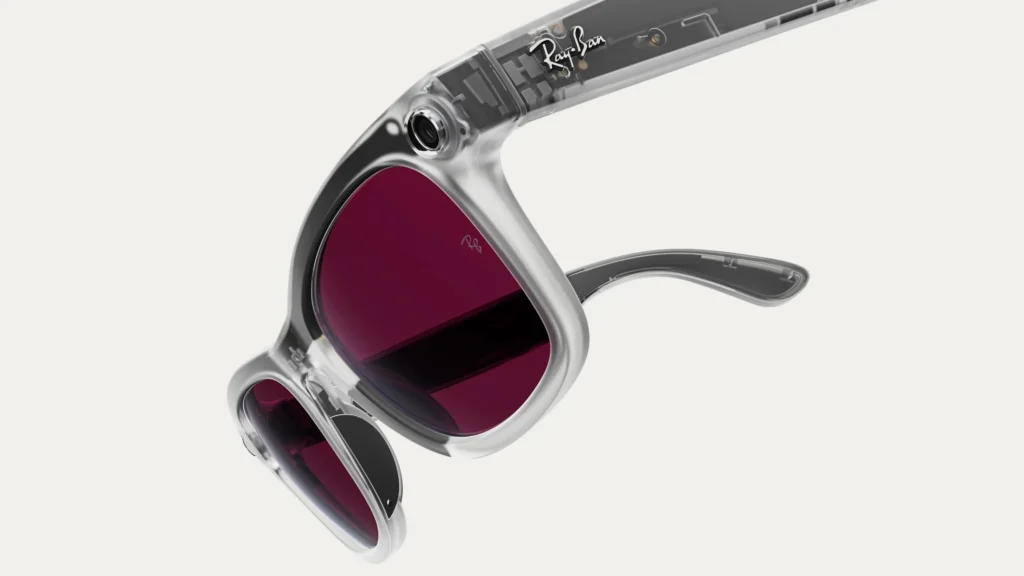
So far, part of the glasses’ success comes from their understated design. Unlike VR headsets, they look like ordinary eyewear. Cameras, microphones, and speakers are nearly invisible, which makes them more appealing to everyday consumers.
“Because they resemble regular glasses, people are more willing to wear them in public,” explained Melissa Otto, head of research at S&P Global Visible Alpha. “That’s an advantage Meta has over its larger, more conspicuous headsets.”
What Comes Next?
The challenge for Meta is twofold: proving that consumers will find long-term value in the glasses, and demonstrating that the technology can reliably live up to its promises. For now, the devices remain both an experiment and a statement of intent.
If Meta succeeds, these glasses could shift the way we interact with technology — away from screens in our pockets and into devices worn on our faces. If it fails, the experiment may be remembered as another bold but flawed attempt at reinventing the future of computing.
Either way, the launch makes one thing clear: smart glasses are no longer a niche experiment. For Meta, they represent a bet on the next frontier.
About The Author

Related Posts

Apple’s HomeView Smart Home Hub Reportedly Arrives in November—Here’s What to Expect

Meta VR Glasses vs URXR One: $1,299 Standalone vs $999 Modular