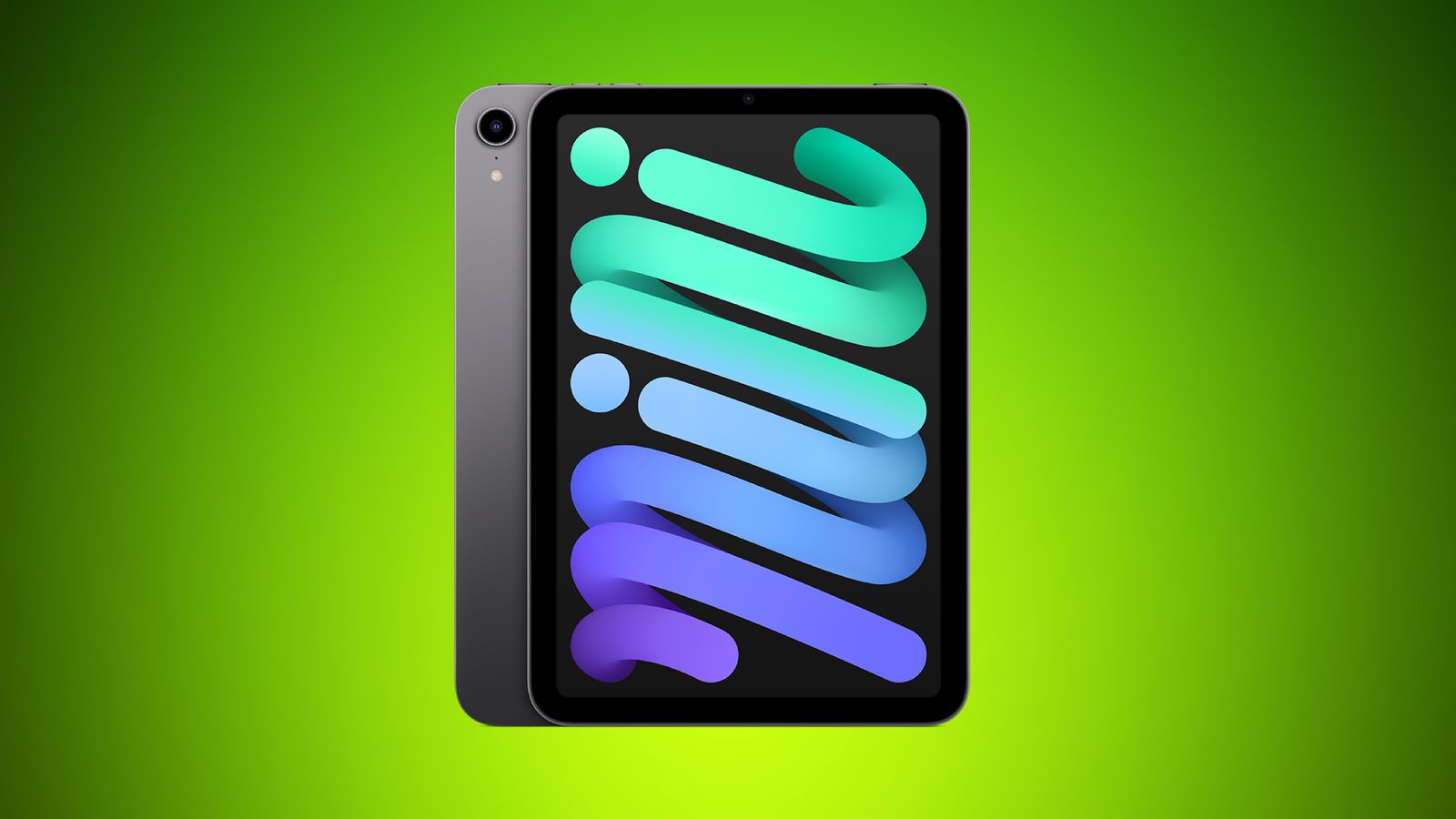
How Vibration-Based Speakers Work and Why Apple Might Bring Them to the iPad Mini 8
Apple’s upcoming iPad mini 8 could introduce a refreshed design that eliminates traditional speaker holes to enhance water resistance. According to Bloomberg, the company is reportedly exploring a new speaker system that relies on vibration-based technology — a first for Apple if implemented.
Understanding Vibration-Based Sound
Some existing devices already employ vibration-driven audio, offering a clue into how Apple could adapt the concept. This technology typically uses a sound exciter, a component that generates sound waves by vibrating a surface such as glass or metal. Both piezoelectric and electromagnetic exciters can make almost any surface resonate, removing the need for the conventional diaphragm found in standard speakers.
For the iPad mini, Apple could mount an exciter on the chassis or display itself. When audio plays, the exciter would cause the panel to vibrate, pushing air to produce sound — all without visible speaker grilles. Given the iPad’s larger display area, multiple exciters could be used to deliver stereo output, with the screen divided into zones that function as separate sound panels.
Patent Clues
Apple has already patented technology resembling this concept. Its “mechanically actuated panel acoustic system” patent describes an electronic device that integrates its enclosure into an acoustic system. The design divides the enclosure into sub-panels, each containing actuators that vibrate independently to convert audio signals into audible sound.
Existing Implementations
Huawei introduced a similar concept in 2019 with the P30 Pro, which featured “Acoustic Display Technology.” This setup used an exciter beneath the screen to make the glass itself function as a speaker. A teardown by iFixit showed the mechanism used a small coil, magnet, and vibration element to generate sound. While reviewers found the technology effective for calls, Huawei still relied on a traditional bottom speaker for media playback, and the lack of true stereo was a common complaint. The company dropped the feature after the P40, reverting to a standard speaker design.
The technology has also been used in televisions. LG’s G8 ThinQ smartphone turned its OLED display into a diaphragm for audio output, supplementing it with a bottom speaker to deliver bass and stereo effects. Similarly, Sony’s OLED TVs employ an “Acoustic Surface” design, using multiple actuators behind the screen to produce sound that aligns precisely with on-screen visuals — a feature that’s earned positive reviews for immersion and clarity.
If Apple follows a similar approach, it could market the system as a way to deliver rich, spatial sound without external speakers or headphones like AirPods. Comparable “invisible speakers” already exist for home audio systems, where exciters are mounted behind walls or ceilings to turn surfaces into sound emitters.
Improved Water Resistance
Eliminating speaker holes would naturally make the iPad mini more resistant to water intrusion. The current model includes perforations at both ends of the device and lacks any official water-resistance rating. While it’s unclear what rating the new version might achieve, the iPhone’s IP68 standard allows submersion up to six meters for 30 minutes — a benchmark Apple might aim for.
Microphones and Sound Quality Considerations
Even if Apple removes the speaker holes, microphone openings will likely stay. The iPad mini 7 has one mic at the top and another near the rear camera. Apple could still enhance water protection by sealing these points with gaskets and adhesives, as it does on the iPhone.
A challenge for vibration-based systems is bass reproduction. Companies like Sony address this with built-in subwoofers to add low-end response. Apple might use a similar hybrid setup or rely on advanced digital signal processing (DSP) to compensate for missing bass tones.
Potential Limitations
Surface-based speakers can reproduce mids and highs effectively, but because vibrations come from a single surface, stereo width tends to feel narrower than setups with distinct left and right drivers. Apple’s engineers may counteract this by employing multiple exciters or adaptive tuning.
Another concern is touch interference — when users hold the device, their grip could dampen sound. Apple might mitigate this using sensors that detect how the iPad is held and adjust vibration zones dynamically.
Additional Features and Timing
Rumors also point to the iPad mini 8 being the first non-Pro iPad to include an OLED display, alongside improved water resistance. Should Apple move forward with vibration-based audio, it would likely require sophisticated signal processing, something the upcoming A19 Pro chip — also expected in the iPhone 17 Pro and iPhone Air — could handle with ease.
Current reports suggest that Apple could debut the iPad mini 8 as early as 2026.